
Quick Answer: A high-quality dog diet is built on named animal proteins and balanced fats tailored to your dog’s life stage. In 2026, the gold standard is avoiding generic “animal” fillers and prioritizing nutrient density.
✔️ 2026 VERIFIED: Vet-Approved Standards + Nutrient Density Tested
I’ve seen too many owners fall for “boutique” marketing while their dogs struggle with dull coats. If you aren’t seeing a specific named protein like “Chicken” or “Salmon” as the first ingredient, you’re feeding your dog expensive cereal. Here is what actually works.
| Diet Type | Hydration | Convenience | The “Real Talk” |
|---|---|---|---|
| Dry Kibble | 2/10 | 10/10 | Best for budget; add water for better digestion. |
| Wet/Canned | 9/10 | 6/10 | Excellent for picky eaters; pricier per meal. |
| Dehydrated | 8/10 | 5/10 | Fresh food benefits without the raw safety risks. |
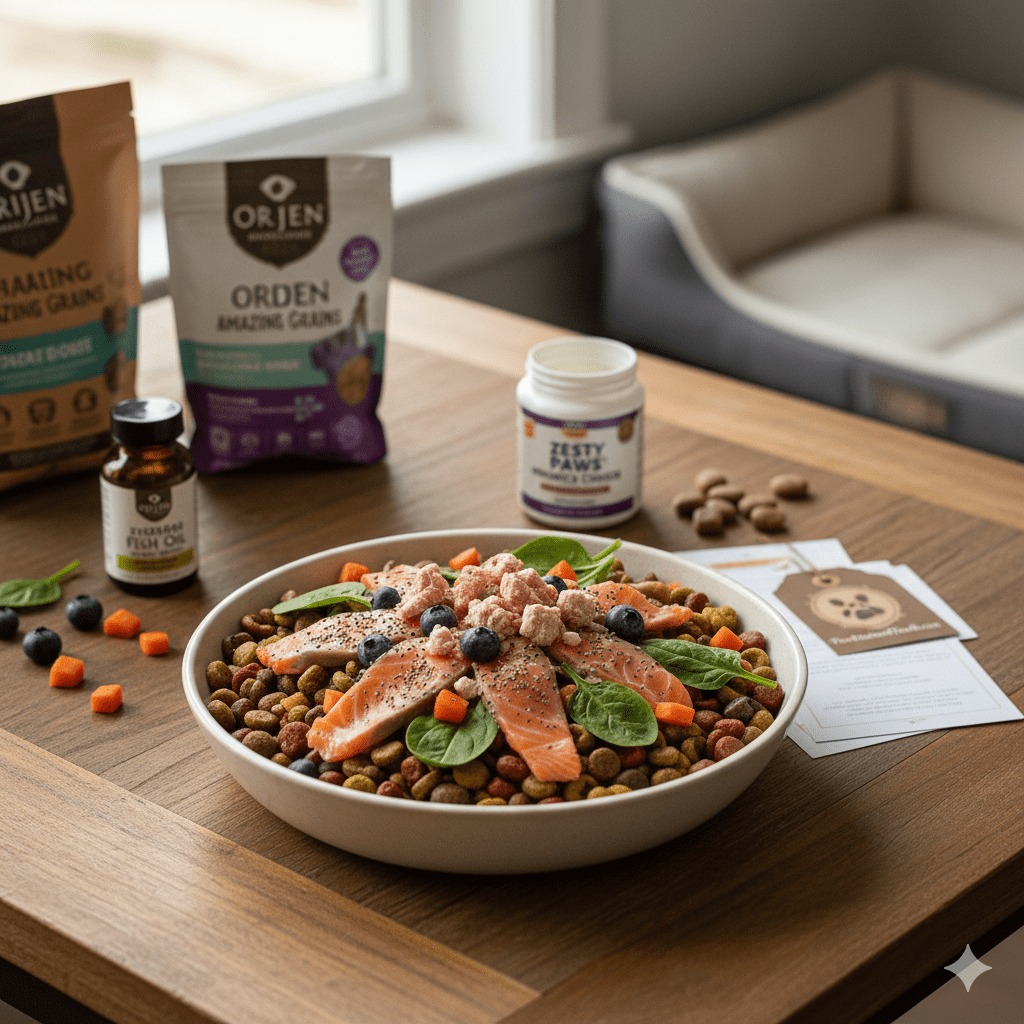
The Ultimate Guide to Dog Nutrition: Feeding Your Furry Friend Right
Quick Answer: A healthy dog diet is built on high-quality animal protein, balanced fats, digestible carbohydrates, and essential vitamins and minerals tailored to your dog’s age, size, and activity level. Choosing the right food—and avoiding low-quality fillers—directly impacts your dog’s immunity, digestion, joints, coat, and lifespan.
Understanding Dog Nutrition Basics
Dog nutrition is a foundational pillar of long-term canine health, directly influencing immunity, digestion, mobility, coat quality, and lifespan. Proper nutrition is not one-size-fits-all; it varies by breed, age, size, activity level, and health status. For example, high-energy breeds such as Border Collies or Belgian Malinois require protein-dense diets to sustain muscle performance, while senior or low-activity dogs benefit from calorie-controlled formulas to prevent weight gain and joint stress.
Core Nutritional Components
A complete dog diet consists of balanced macronutrients and micronutrients:
- Protein: Essential for muscle development, tissue repair, immune support, and enzyme production. High-quality animal-based proteins (chicken, beef, salmon, lamb) should always be the first ingredient.
- Fats: Provide concentrated energy and support brain function, skin health, and vitamin absorption. Look for named fat sources such as chicken fat or salmon oil.
- Carbohydrates: Supply fiber and sustained energy. Whole grains, vegetables, and legumes are preferable to refined fillers.
- Vitamins & Minerals: Nutrients like calcium, phosphorus, zinc, vitamin A, D, E, and B-complex are critical for bone strength, metabolism, and organ function.
Amazon Product Recommendation (Nutrition Foundation)
Purina Pro Plan High Protein Adult Dog Food (Chicken & Rice Formula)
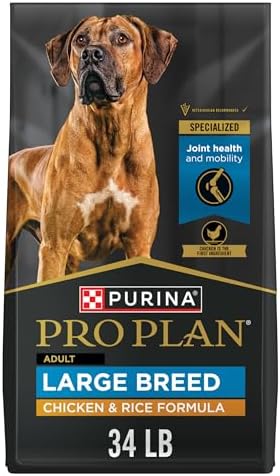
- Glucosamine and EPA, an omega-3 fatty acid, for joint health and mobility
- High protein promotes muscle conditioning when combined with proper exercise
- High level of protein, combined with proper exercise, helps promote muscle conditioning
- Veterinarian-recommended
- Real chicken as first ingredient
- Balanced for active adult dogs
Choosing the Right Dog Food
Selecting the right dog food involves evaluating ingredient quality, formulation, and your dog’s individual needs. Below are the primary food types with optimized product placements.
Dry Kibble (Best for Convenience & Dental Health)
Dry kibble remains the most widely used dog food option due to affordability, shelf stability, and dental benefits.
Recommended Product:
Blue Buffalo Life Protection Formula Adult Dog Food

- REAL MEAT FIRST: This Blue Buffalo natural dry dog food is made with real, high-quality chicken as the #1 ingredient
- HEALTHY WEIGHT CONTROL: This weight control dry dog food has an ideal caloric balance to help manage weight
- IMMUNE SYSTEM SUPPORT: This dry dog food features exclusive antioxidant-rich LifeSource Bits
- Real deboned meat first
- No corn, wheat, or soy
- Includes LifeSource Bits for immune support
Wet / Canned Dog Food (Best for Hydration & Picky Eaters)
Wet food offers higher moisture content, making it ideal for dogs with hydration issues or reduced appetite.
Recommended Product:
Hill’s Science Diet Adult Wet Dog Food (Savory Stew)
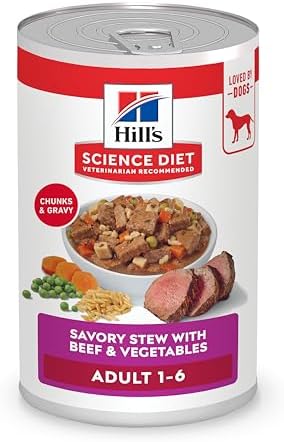
- High quality protein for lean muscles
- Natural fibers for healthy digestion
- Omega-6s and vitamin E for beautiful skin & coat
- Clinically proven nutrition
- Highly digestible
- Excellent for sensitive stomachs
Raw & Fresh Diets (Best for Ingredient Control)
Raw and fresh diets aim to mimic ancestral feeding patterns but require careful handling and balance.
Recommended Fresh Option:
The Honest Kitchen Human Grade Dehydrated Dog Food
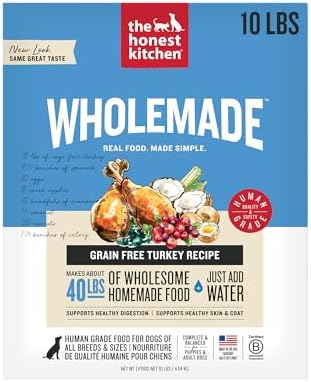
- COMPLETE AND BALANCED NUTRITION FOR YOUR DOGS: The Honest Kitchen Dehydrated Dog Food provides a wholesome, grain free d…
- CONVENIENT EASY HOMEMADE MEALS: Just add warm water to the dehydrated meals, wait three minutes, & serve as a nutritious…
- HUMAN GRADE INGREDIENTS YOU CAN TRUST: Our dog food is 100% human-grade, crafted with high-quality ingredients and proce…
- Human-grade ingredients
- Gently dehydrated
- Supports digestion and skin health
Special Dietary Needs and Considerations
Some dogs require specialized diets due to allergies, sensitivities, or medical conditions.
Grain-Free & Limited Ingredient Diets
Dogs with food sensitivities may benefit from grain-free or limited-ingredient formulations.
Recommended Product:
Wellness Simple Limited Ingredient Diet (Salmon & Potato)
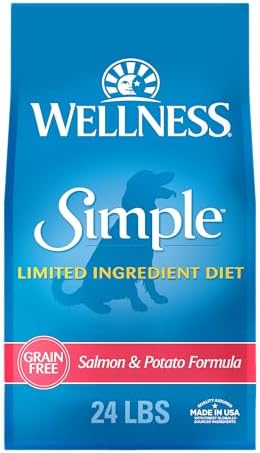
- LIMITED INGREDIENT ADULT DOG FOOD: All natural, limited ingredient chicken free recipe crafted with a single source of p…
- SUITABLE FOR DOGS WITH FOOD SENSITIVITIES & ALLERGIES: This limited ingredient recipe nourishes simply and completely, w…
- SUPPORTS DIGESTIVE HEALTH AND SKIN & COAT HEALTH: Contains natural prebiotics for a healthy digestive system, vitamins f…
- Single protein source
- Grain-free
- Ideal for dogs with skin or digestive sensitivities
Hypoallergenic & Veterinary Diets
Dogs with chronic allergies or gastrointestinal issues often need veterinarian-guided nutrition.
Recommended Product:
Royal Canin Veterinary Diet Hydrolyzed Protein Dog Food
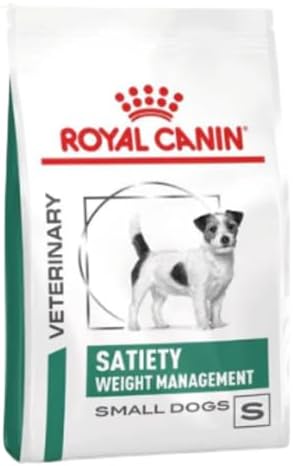
- Adapted formula to meet the specific digestive, dental and urinary sensitivities of small dogs
- Helps satisfy hunger and control begging with a special blend of fibers helping dogs feel full
- Contains nutrients to support oral health
- Hydrolyzed proteins to reduce allergic reactions
- Vet-formulated
- Supports digestive health
Always consult a veterinarian before transitioning to therapeutic diets.
Homemade Dog Treats and Healthy Recipes
Homemade dog treats allow full control over ingredients and eliminate artificial preservatives.
Peanut Butter & Banana Dog Treats
Amazon Ingredient Picks:
- Crazy Richard’s 100% Natural Peanut Butter (Xylitol-Free)
- Bob’s Red Mill Organic Whole Wheat Flour
- Quaker Old Fashioned Rolled Oats
Sweet Potato Chews
Amazon Ingredient Pick:
- 365 by Whole Foods Market Organic Sweet Potatoes
Homemade treats should complement—not replace—a balanced diet
! The 7-Day Transition Protocol
To avoid stomach upset or “refusal,” never switch foods overnight. Follow this verified schedule:
- Days 1-2: 25% New Food / 75% Old Food
- Days 3-4: 50% New Food / 50% Old Food
- Days 5-6: 75% New Food / 25% Old Food
- Day 7: 100% New Food (The Full Switch)
Pro Tip: If your dog has a particularly sensitive stomach, extend each phase to 3 days instead of 2.
Safe vs. Toxic Human Foods (Quick Guide)
✅ SAFE TO FEED
- Blueberries (Antioxidants)
- Carrots (Dental health)
- Cooked Pumpkin (Fiber)
- Plain Yogurt (Probiotics)
❌ TOXIC – AVOID
- Grapes & Raisins
- Xylitol (Artificial sweetener)
- Onions & Garlic
- Chocolate & Caffeine
Frequently Asked Questions About Dog Nutrition
What is the healthiest food to feed a dog?
The healthiest dog food contains a named animal protein as the first ingredient, moderate healthy fats, minimal fillers, and is formulated for your dog’s life stage. Brands that meet AAFCO standards and are veterinarian-recommended are the safest long-term choice.
How much should I feed my dog?
Portion size depends on your dog’s weight, age, metabolism, and activity level. Most adult dogs eat once or twice daily following the feeding guide on the food label, adjusted for activity and body condition.
Is grain-free dog food better?
Grain-free food is helpful for dogs with specific grain sensitivities, but it is not inherently superior for all dogs. Many dogs digest whole grains like brown rice and oats very well.
Can dogs eat homemade food every day?
Yes, but only if meals are nutritionally complete. Homemade diets should be formulated with veterinary guidance to avoid vitamin or mineral deficiencies.
Final Thoughts
Feeding your dog properly is one of the most impactful decisions you can make for their health. By choosing high-quality food, understanding nutritional needs, and supplementing with safe homemade treats, you position your dog for a longer, healthier, and happier life.
Authoritative takeaway: Dogs thrive on simple, biologically appropriate nutrition—real protein, balanced fats, digestible carbs, and consistency.
Feeding your dog properly is one of the most impactful decisions you can make for their health. By choosing high-quality food, understanding nutritional needs, and supplementing with safe homemade treats, you are setting your dog up for a longer, healthier, and happier life.